In the volatile theater of global energy markets, where commodity prices fluctuate based on geopolitical headlines and speculative trading, one asset class stands apart for its stability, predictability, and capacity for long-term wealth generation. This asset class is energy infrastructure. While upstream exploration captures the imagination with tales of discovery and high-risk rewards, it is the midstream and downstream networks including pipelines, terminals, storage facilities, and refineries that form the circulatory system of the global economy. For institutional investors seeking durable cash flows and inflation-resistant returns, energy infrastructure investments represent the cornerstone of a resilient portfolio.
At OilNational Group, our three-decade trajectory since our 1989 founding in Washington, D.C. has been defined by a strategic pivot toward these critical assets. Managing over $60 billion across 117+ countries, we have observed that while oil prices cycle, the demand for transportation and processing remains constant. Our cumulative growth of over 6000% is not merely a result of smart trading but of owning the physical toll roads of the energy world. This analysis delineates why infrastructure is the superior vehicle for long-term capital preservation and growth. It explores how a global energy investment company leverages these assets to build enduring wealth.
We examine the economic mechanics of infrastructure, the strategic advantage of geographic diversification, and the role of modern financial instruments like the OilNational Token ($ONT) in unlocking liquidity for these traditionally illiquid assets. For the sophisticated investor, the path to sustainable wealth lies not in chasing the next price spike but in owning the essential systems that move energy from the ground to the consumer.
The Economic Moat of Infrastructure Assets
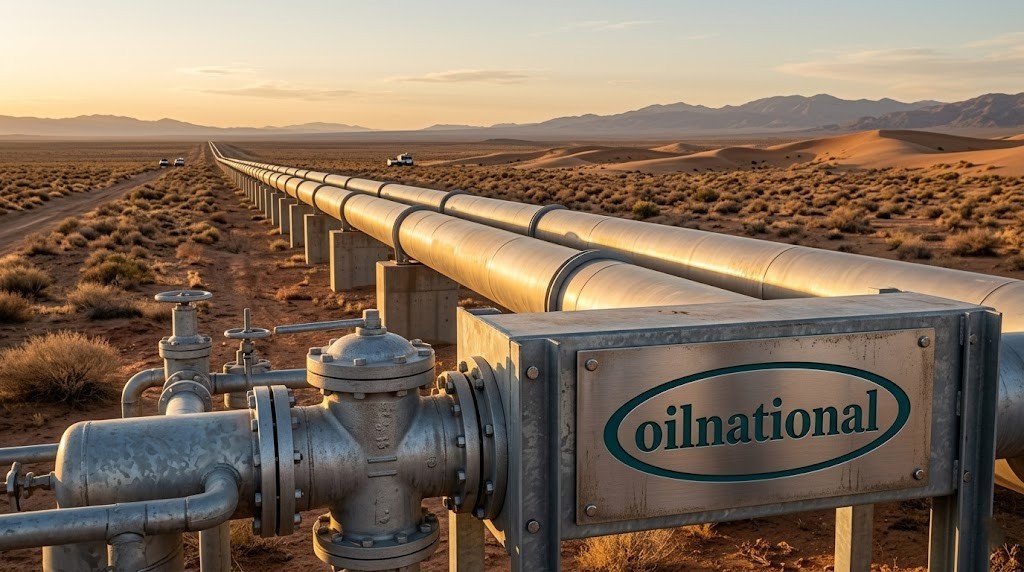
The primary allure of energy infrastructure lies in its economic structure. Unlike upstream assets, which are directly exposed to the spot price of crude oil, midstream and downstream infrastructure typically operates on fee-based or toll-based models. This fundamental difference creates a powerful economic moat that protects investors from the full brunt of commodity volatility.
When an oil and gas investment firm owns a pipeline, it charges a fee for every barrel transported, regardless of whether the oil sells for $40 or $100 per barrel. This volume-based revenue stream provides predictable, bond-like cash flows that are highly attractive to pension funds, sovereign wealth funds, and family offices. The risk profile shifts from market price speculation to operational execution and volume certainty. Since global energy demand is inelastic in the short to medium term, these volumes remain remarkably stable even during economic downturns.
Furthermore, infrastructure assets possess high barriers to entry. Constructing a cross-border pipeline or a deep-water terminal requires billions in capital, decades of permitting, and complex regulatory approvals. Once built, these assets face little to no competition within their specific corridors. This natural monopoly status grants pricing power and ensures long-term viability. OilNational Group prioritizes acquiring assets with these defensive characteristics, ensuring that our partners enjoy steady returns insulated from the whims of the futures market.
Strategic Value Across the Value Chain
Infrastructure is not a monolith. It spans the entire value chain, offering diverse opportunities for wealth creation depending on the specific sector and geographic location.
Midstream Logistics: This sector includes the pipelines, pumping stations, and rail terminals that move crude oil and refined products. It is the backbone of the industry. In regions like North America, the shale boom created a desperate need for takeaway capacity, turning midstream assets into cash-printing machines. In emerging markets across Africa and Asia, the lack of existing infrastructure presents a greenfield opportunity for firms like OilNational Group to build essential networks that unlock stranded reserves. Our oil supply chain development initiatives in these regions often involve public-private partnerships that guarantee long-term off-take agreements.
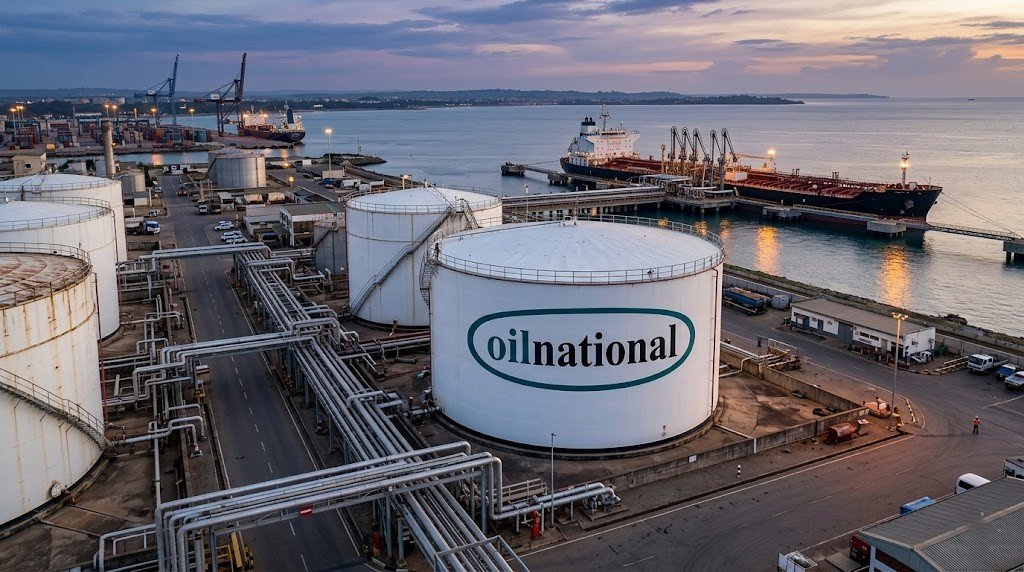
Storage and Terminals: As market volatility increases, the value of storage capacity rises. The ability to store oil when prices are low and release it when prices rise (contango trading) adds a layer of optionality to infrastructure portfolios. Large-scale tank farms and floating storage units allow traders and producers to manage timing risk. OilNational Group has significantly expanded its storage footprint in key hubs like Rotterdam, Singapore, and Houston, providing critical flexibility to the global market while generating substantial rental income.
Downstream Refining: Refineries convert crude oil into usable products like gasoline, diesel, and jet fuel. While more cyclical than midstream assets, complex refineries capable of processing heavy, sour crude offer significant margin expansion opportunities. By investing in upgrading technologies, we can capture the “crack spread” more effectively. Our oil trading and sourcing division ensures these refineries are fed with the lowest-cost feedstock available globally, maximizing profitability even in tight margin environments.
Geographic Diversification as a Risk Mitigator
Infrastructure risk is often localized. A regulatory change in one country or a political dispute in one region can impact specific assets. However, a globally diversified infrastructure portfolio neutralizes these idiosyncratic risks. OilNational Group’s presence in 117+ countries allows us to balance exposure across different legal and political environments.
In mature markets like Europe and North America, infrastructure assets provide stability and regulated returns. These jurisdictions offer strong rule of law and transparent contracting, making them ideal for conservative capital allocation. Conversely, emerging markets in Africa, Latin America, and Southeast Asia offer higher growth potential. Here, the infrastructure gap is widening, and the need for investment is critical. By building ports, pipelines, and storage facilities in these regions, we not only generate high yields but also secure strategic footholds in the fastest-growing energy consumption zones.
This geographic balance ensures that a disruption in one area does not cripple the entire portfolio. For instance, if regulatory pressures mount in Europe, our growing assets in Asia or Africa can offset any temporary headwinds. This diversification is a core tenet of our energy asset management philosophy. It allows us to deploy capital where it is most needed and where it can generate the highest risk-adjusted returns, all while maintaining a stable aggregate cash flow for our investors.
The Liquidity Challenge and Digital Innovation
Historically, the greatest drawback of infrastructure investing has been illiquidity. These are long-life assets with high capital requirements, meaning investor capital is often locked up for 10 to 20 years. While this suits some institutional mandates, it limits flexibility for others. The emergence of blockchain technology and tokenization offers a solution to this longstanding problem without compromising the fundamental nature of the assets.
The OilNational Token ($ONT) serves as a prime example of this innovation. It is not a speculative cryptocurrency but a structured digital investment representation backed by our real-world infrastructure portfolio. By tokenizing fractional interests in our assets, we create a mechanism for more efficient capital deployment and potential secondary market liquidity. This allows qualified investors to enter and exit positions with greater ease than traditional private equity structures allow.
This digital layer does not change the physical reality of the assets. The pipelines still flow, the tanks still store, and the refineries still process. What changes is the efficiency of the financial wrapper surrounding these assets. Settlement times decrease, administrative overhead is reduced, and transparency is enhanced through immutable ledger records. For a global energy investment company managing billions in cross-border transactions, these efficiencies translate directly into higher net returns for investors. The $ONT instrument, with a minimum entry of $10,000, democratizes access to institutional-grade infrastructure deals that were previously reserved for the largest sovereign funds.
Inflation Hedging and Long-Term Yield
In an era of persistent inflationary pressure, infrastructure assets stand out as a premier hedge. The fees charged by pipelines and terminals are often indexed to inflation or linked to commodity prices, meaning revenues rise automatically as the general price level increases. This pass-through mechanism protects the real value of cash flows, preserving purchasing power for investors.
Moreover, the replacement cost of infrastructure is skyrocketing. Building a new pipeline today costs significantly more than it did a decade ago due to labor, material, and regulatory expenses. This rising replacement cost enhances the value of existing assets, creating a barrier to new competition and supporting asset appreciation. OilNational Group’s portfolio, built over decades at lower historical costs, now benefits from this scarcity premium. The combination of yield, inflation protection, and capital appreciation makes infrastructure a uniquely powerful tool for long-term wealth creation.
Conclusion: Building Wealth on Solid Ground
The quest for long-term wealth in the energy sector does not require gambling on the next gusher or timing the market peaks. It requires owning the essential systems that keep the world moving. Oil infrastructure offers a rare combination of stability, yield, and growth potential that few other asset classes can match.
At OilNational Group, we have dedicated our 34-year history to acquiring, building, and optimizing these critical assets. Our $60 billion portfolio across 117+ countries stands as a testament to the power of this strategy. By focusing on the physical reality of energy logistics and leveraging modern financial tools like the OilNational Token ($ONT), we provide our partners with a direct stake in the global economy’s backbone.
For investors looking to navigate the uncertainties of the future, the answer lies in the tangible. Pipelines, terminals, and refineries are not just steel and concrete. They are the engines of commerce and the foundations of enduring wealth. As the global demand for energy continues to rise, those who own the infrastructure will reap the rewards of a world that cannot function without them.