In the modern geopolitical landscape, energy security has transcended mere economic necessity to become a matter of national sovereignty. While much attention is paid to the volume of reserves in the ground, the true bottleneck of the global energy market lies in the complex, fragile, and highly valuable networks that move hydrocarbons from extraction sites to end users. The oil supply chain is no longer just a logistical function; it is a strategic asset class in its own right. For institutional investors, controlling or financing these critical links in the chain offers a unique opportunity to capture value that is insulated from pure commodity price speculation while remaining essential to global commerce.
At OilNational Group, our evolution since 1989 from a Washington, D.C. based investment firm to a global powerhouse with over $60 billion in assets across 117+ countries has been driven by a singular insight: ownership of the supply chain commands the highest leverage. Our 6000% cumulative growth is a direct result of identifying and securing choke points, logistics corridors, and trading hubs where physical control translates into financial dominance. This analysis explores why oil supply chain development represents the next frontier for institutional capital, detailing how a sophisticated oil and gas investment firm structures investments in ports, pipelines, shipping fleets, and trading operations to generate superior risk-adjusted returns.
We delve into the mechanics of supply chain arbitrage, the critical importance of emerging market infrastructure, and the role of digital transparency tools like the OilNational Token ($ONT) in optimizing these vast, physical networks. In an era defined by disruption, the investor who controls the flow of energy controls the market.
The Strategic Value of Logistics Control
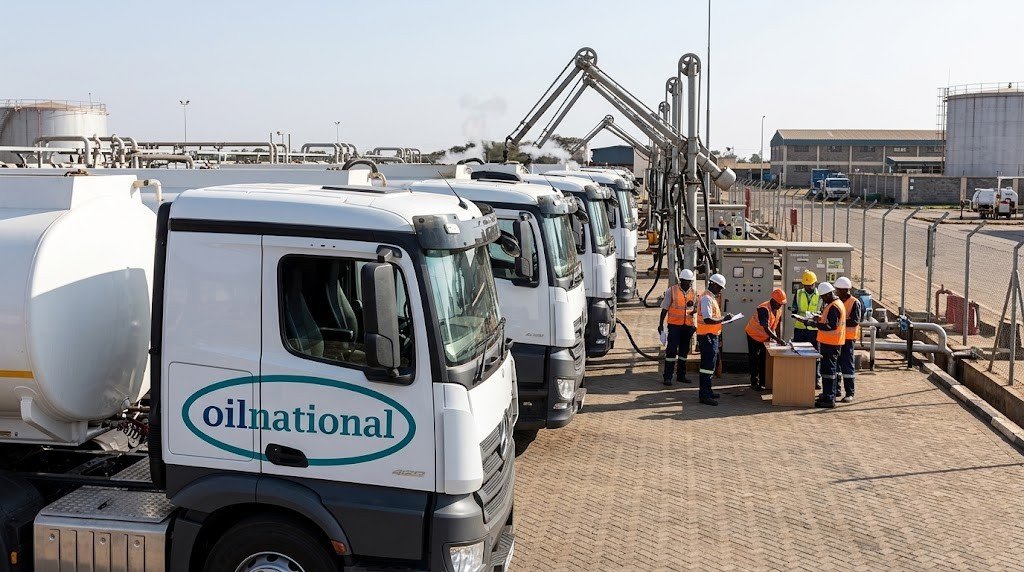
The traditional model of oil investing focused almost exclusively on upstream production. However, the volatility of extraction costs and the geopolitical risks associated with reserve ownership have led smart capital to pivot toward the midstream and downstream logistics that connect supply to demand. Controlling the supply chain provides three distinct strategic advantages: margin capture, risk mitigation, and market influence.
Margin Capture Through Arbitrage: Global oil markets are fragmented. A barrel of crude in West Texas may trade at a significant discount to a barrel in Rotterdam due to local gluts or transportation bottlenecks. Firms that own the logistics assets to move that oil from the low-price zone to the high-price zone capture the spread. This is not speculation on the absolute price of oil but a play on inefficiency. OilNational Group’s oil trading and sourcing division specializes in identifying these dislocations and deploying our owned or leased infrastructure to monetize them. By owning the tanks, pipes, or ships, we retain the full margin of the arbitrage rather than paying third-party fees.
Risk Mitigation via Vertical Integration: Reliance on third-party logistics exposes producers and consumers to capacity constraints, rate spikes, and operational failures. When a pipeline goes down or a port faces congestion, those without their own capacity face immediate revenue loss. By integrating supply chain assets into the portfolio, we create a self-insuring mechanism. Our upstream production can always reach the market because we own the pipe. Our downstream refineries are never starved of feedstock because we control the terminal. This vertical integration smooths out cash flows and protects the core business from external shocks.
Market Influence and Optionality: In tight markets, capacity is king. Those who control storage terminals can decide when to release inventory, effectively timing the market. Those who control key pipeline junctions can prioritize certain flows, influencing regional pricing dynamics. This optionality has immense financial value. It allows a global energy investment company to act as a market maker, providing liquidity to the system while capturing premium fees for guaranteed delivery. In essence, supply chain ownership transforms a passive investor into an active market participant with the power to shape outcomes.
Critical Nodes: Ports, Pipelines, and Storage
Not all supply chain assets are created equal. The most lucrative investments are found at the critical nodes where volume converges and bottlenecks form.
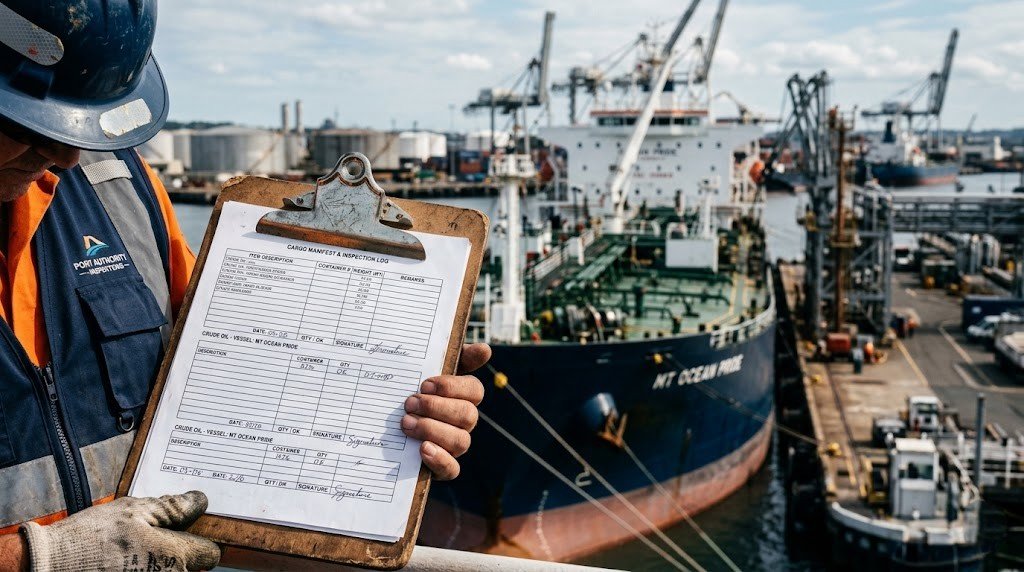
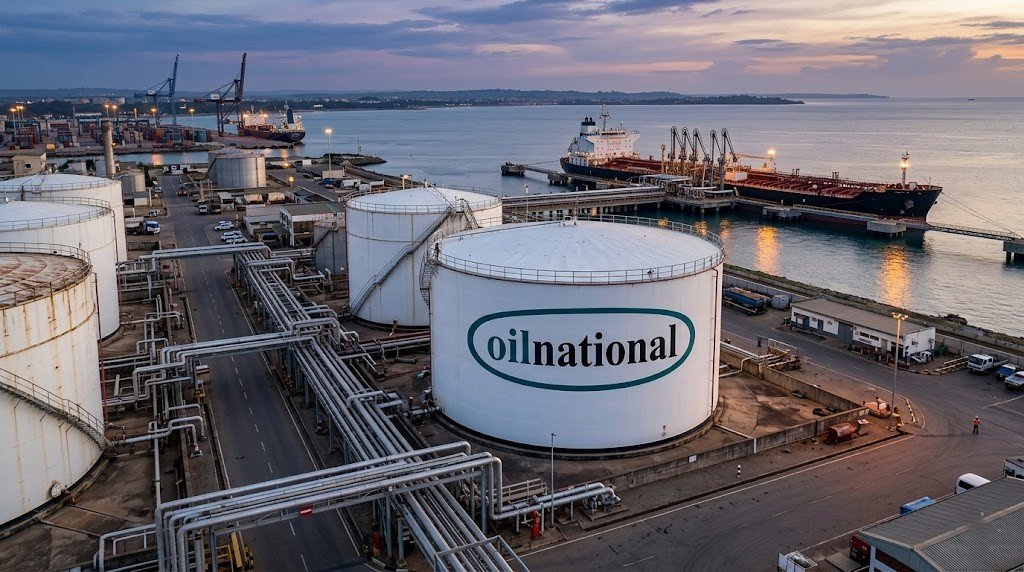
Strategic Ports and Terminals: Deep-water ports capable of handling Very Large Crude Carriers (VLCCs) are rare and heavily regulated. Owning or leasing berths in key hubs like Singapore, Houston, or Fujairah provides a perpetual toll booth on global trade. These facilities generate steady fee income regardless of oil prices, as long as trade volumes remain positive. OilNational Group has prioritized acquiring stakes in such terminals, particularly in emerging markets where port infrastructure is lagging behind production growth. In Africa, for instance, our development of export terminals has unlocked billions in previously stranded reserves, creating value for both the host nation and our investors.
Cross-Border Pipelines: Pipelines are the arteries of the oil world. While building them is capital intensive and politically complex, the returns once operational are exceptional. Long-term take-or-pay contracts ensure revenue visibility for decades. The strategic value lies in the route itself. A pipeline that bypasses a conflict zone or a congested strait becomes indispensable. Our energy infrastructure investments in Central Asia and the Middle East focus on creating these alternative routes, reducing transit risk for our partners and commanding premium tariffs.
Storage as a Financial Tool: Storage is often viewed as a static asset, but in the hands of a skilled trader, it is a dynamic financial instrument. The ability to store oil allows investors to execute “contango” strategies, buying cheap oil, storing it, and selling futures contracts at a higher price for later delivery. OilNational Group maintains a global network of floating and onshore storage capacity, allowing us to deploy this strategy at scale. This turns inventory from a cost center into a profit generator, adding a layer of alpha to the traditional infrastructure yield.
Emerging Markets: The Frontier of Supply Chain Development
While mature markets in North America and Europe have well-established logistics networks, the real growth opportunity lies in the emerging markets of Africa, Asia, and Latin America. Here, rapid production growth is colliding with inadequate infrastructure, creating massive inefficiencies and opportunities for those willing to build.
Bridging the Infrastructure Gap: In many African nations, oil is produced in remote regions with no way to get it to the coast efficiently. Roads are poor, rail is non-existent, and pipelines are aging or non-existent. OilNational Group steps into this void with comprehensive oil supply chain development projects. We do not just build a pipe; we build the entire ecosystem including roads, power supplies for pumping stations, and marine terminals. These projects often come with government backing and long-term concessions, providing a secure regulatory environment for our capital.
Unlocking Stranded Reserves: Without a supply chain, reserves are stranded. They have zero economic value. By building the logistics to move the oil, we instantly monetize these resources. This creates a win-win scenario: the host country gets revenue and development, and we get access to low-cost equity in the production itself as a reward for solving the logistics puzzle. Our presence in 117+ countries gives us the local knowledge and diplomatic capital to navigate these complex environments successfully.
Regional Hubs and Trading Centers: As Asia’s demand continues to outpace its domestic production, the region is becoming the central gravity point for global oil trade. Establishing supply chain hubs in Southeast Asia allows us to serve this growing market directly. We are investing in refining and storage complexes in Indonesia, Vietnam, and India, positioning ourselves as the primary supplier of choice. These hubs serve as aggregation points for crude from the Middle East and Africa, which is then refined and distributed locally, capturing value at every step.
Technology and Transparency in Logistics
The physical movement of oil is an ancient business, but the management of that movement is undergoing a digital revolution. Inefficiencies in documentation, tracking, and settlement cost the industry billions annually. Blockchain and tokenization offer a path to streamline these processes, reducing friction and enhancing trust.
The OilNational Token ($ONT) plays a crucial role in this transformation. While it is a structured digital investment representation, its utility extends beyond finance into operations. By tokenizing shipping bills of lading, storage receipts, and quality certifications, we create an immutable, transparent record of the cargo’s journey. This reduces the risk of fraud, speeds up customs clearance, and allows for real-time tracking of assets.
For investors, this transparency translates into reduced risk premiums. When you can verify exactly where your oil is, who has touched it, and its current quality, the cost of capital decreases. Furthermore, the efficiency gains from automated settlement and smart contracts lower operational expenses, boosting net returns. The $ONT ecosystem thus serves as a force multiplier for our physical supply chain assets, making them more liquid, more transparent, and more profitable. It bridges the gap between the physical reality of a tanker full of oil and the digital speed of modern finance.
Risk Management in Complex Networks
Investing in supply chains is not without risk. Geopolitical instability, regulatory changes, and operational hazards can disrupt flows. However, a diversified, globally integrated approach mitigates these threats effectively.
Geopolitical Diversification: By spreading assets across 117+ countries, we ensure that no single political event can cripple our network. If a canal is blocked in one region, we can reroute through another. If a port faces sanctions, our other hubs absorb the volume. This redundancy is built into our portfolio construction, ensuring continuity of service and revenue.
Operational Excellence: The physical integrity of our assets is paramount. We employ rigorous maintenance schedules, advanced monitoring systems, and strict safety protocols to prevent accidents and spills. Our energy asset management teams are on the ground 24/7, ensuring that every valve, pump, and berth operates at peak efficiency. This proactive approach minimizes downtime and protects our reputation as a reliable partner.
Regulatory Compliance: Navigating the web of international trade laws, environmental regulations, and sanctions regimes requires deep expertise. Our compliance department works tirelessly to ensure that every transaction and movement adheres to all applicable laws. This diligence protects our investors from legal liabilities and ensures the long-term viability of our operations.
Conclusion: The Arteries of Global Wealth
The oil supply chain is more than just a method of transport; it is the circulatory system of the global economy. In a world where energy security is paramount, controlling these arteries offers a level of strategic advantage and financial return that few other assets can match. From the ports where tankers dock to the pipelines that cross continents, every link in the chain represents an opportunity for value creation.
OilNational Group has spent over three decades building a network that spans the globe, connecting producers to consumers with unmatched efficiency and reliability. Our $60 billion portfolio stands as a testament to the power of this strategy. By combining physical ownership with digital innovation like the OilNational Token ($ONT), we have created a supply chain ecosystem that is resilient, transparent, and highly profitable.
For the institutional investor, the message is clear: the future of energy wealth lies not just in finding oil, but in moving it. By investing in the supply chain, you invest in the inevitable flow of global commerce. You become the toll collector on the road to prosperity. As demand rises and markets tighten, those who control the flow will define the market. OilNational Group invites you to join us in owning the arteries of the global energy economy.