In the mature basins that form the backbone of global supply, the era of “easy oil” is over. Conventional primary and secondary recovery methods typically leave 60% to 70% of original oil in place (OOIP), trapped by complex geological forces. For the institutional investor, this stranded resource represents not a depletion problem, but a massive, untapped reserve base waiting to be unlocked. Enhanced Oil Recovery (EOR) technologies have evolved from experimental concepts into proven, scalable drivers of yield optimization. By injecting gases, chemicals, or thermal energy into reservoirs, operators can drastically alter fluid properties and rock interactions, extending the productive life of fields by decades and boosting ultimate recovery factors to 50% or higher.
At OilNational Group, our commitment to technological leadership has been a primary engine of our 6000% cumulative growth since our 1989 founding in Washington, D.C. Managing over $60 billion in assets across 117+ countries, we have deployed advanced EOR techniques in some of the world’s most challenging environments, from the heavy crude belts of Latin America to the mature sandstones of the North Sea. Our approach treats every mature field as a greenfield opportunity, applying data-driven science to extract value that others deem inaccessible. This analysis details the business case for EOR, examining the specific technologies driving today’s renaissance and how a global energy investment company leverages them to maximize asset longevity and cash flow.
We explore the economics of CO2 injection, the promise of nanotechnology, and the critical role of AI in reservoir modeling. In a capital-constrained world, EOR offers the highest return on invested capital by utilizing existing infrastructure to access new volumes.
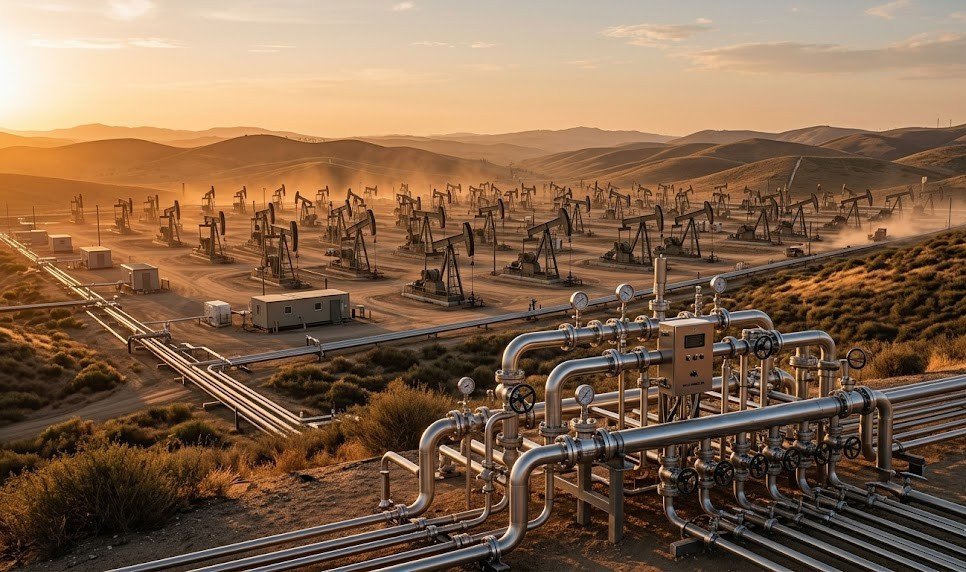
The Economics of Stranded Reserves
The fundamental thesis for EOR is simple: it is often cheaper to recover a barrel of oil from an existing field using advanced technology than to find and develop a new one.
Capital Efficiency: Greenfield projects require billions in upfront capital for exploration, drilling, and new infrastructure (pipelines, platforms, roads). In contrast, EOR projects leverage existing wells, facilities, and transport networks. The incremental capital required for injection plants or chemical treatment facilities is a fraction of greenfield costs, leading to significantly higher Internal Rates of Return (IRR). For OilNational Group, this capital efficiency allows us to recycle cash flows rapidly into further optimization, compounding value without the long lead times of new developments.
Extending Asset Life: Mature fields often face premature abandonment when production declines below economic limits. EOR reverses this decline, rejuvenating fields that were slated for decommissioning. By extending the productive life of an asset by 15 to 20 years, we generate decades of additional free cash flow from sunk costs. This “long tail” production is highly resilient to price volatility, as the low incremental operating costs ensure profitability even in downturns.
Reserve Growth: EOR effectively increases the proven reserves of an asset without new exploration. This reserve growth enhances the asset’s valuation and borrowing capacity, allowing for further investment or refinancing at favorable terms. For a global energy investment company, this ability to organically grow reserves is a key differentiator in portfolio management.
Core EOR Technologies: Thermal, Gas, and Chemical
OilNational Group employs a tailored mix of EOR technologies based on reservoir characteristics, fluid properties, and local economics.
Thermal Recovery (Steam Injection): Primarily used for heavy, viscous crude oils (e.g., in Venezuela, Canada, and Indonesia), thermal recovery involves injecting steam to heat the oil, reducing its viscosity and allowing it to flow.
- Cyclic Steam Stimulation (CSS): Steam is injected, the well is shut in to soak, and then production resumes.
- Steam Assisted Gravity Drainage (SAGD): Two horizontal wells are drilled; steam is injected into the upper well, and heated oil drains into the lower well. Our operations in Southeast Asia utilize SAGD to unlock billions of barrels of heavy oil that would otherwise remain immobile, turning marginal fields into high-yield assets.
Gas Injection (CO2 and Nitrogen): Gas injection is the most widely applied EOR method globally. Injecting CO2 or nitrogen mixes with the oil, swelling it and reducing viscosity, while maintaining reservoir pressure.
- CO2-EOR: This method offers a dual benefit: it boosts oil recovery while permanently sequestering carbon dioxide underground. OilNational Group is a leader in integrating CCUS (Carbon Capture, Utilization, and Storage) with EOR, creating a revenue stream from both oil sales and carbon credits. This synergy is central to our energy asset management strategy in North America and Europe.
- Nitrogen Injection: Used in deep, high-pressure reservoirs where CO2 is unavailable or impractical, nitrogen maintains pressure and improves sweep efficiency.
Chemical Injection (Polymers and Surfactants): Chemical EOR involves injecting polymers to increase water viscosity (improving sweep efficiency) or surfactants to reduce interfacial tension between oil and water.
- Polymer Flooding: Effective in high-permeability reservoirs with viscous oil, ensuring injected water pushes oil rather than bypassing it.
- Surfactant-Polymer (SP) Flooding: A more advanced technique that mobilizes residual oil trapped by capillary forces. We are piloting next-generation surfactant formulations in our African assets, achieving recovery factors previously thought impossible in complex sandstone reservoirs.
The Role of Digital Innovation and AI
The success of EOR hinges on precise reservoir characterization and real-time monitoring. OilNational Group leverages cutting-edge digital tools to optimize injection patterns and predict outcomes.
AI-Driven Reservoir Modeling: Traditional reservoir models are static and often inaccurate. We use machine learning algorithms to analyze vast datasets (seismic, well logs, production history) to create dynamic, high-resolution models. These models predict how fluids move through the reservoir, allowing us to optimize injection rates, well placement, and chemical formulations in real time. This data-driven approach maximizes sweep efficiency and minimizes wasted injectant.
Digital Twins: We create “digital twins” of our EOR projects—virtual replicas that simulate physical processes continuously. Operators can test different scenarios (e.g., changing steam injection rates) in the digital twin before implementing them in the field, reducing risk and improving decision-making. This technology is integral to our structured digital investment representation framework, providing investors with transparent, real-time visibility into project performance.
IoT and Automation: Sensors installed on injection wells and production facilities transmit real-time data on pressure, temperature, and flow rates. Automated control systems adjust parameters instantly to maintain optimal conditions, ensuring maximum recovery efficiency. This level of precision was impossible a decade ago but is now standard practice across our global portfolio.
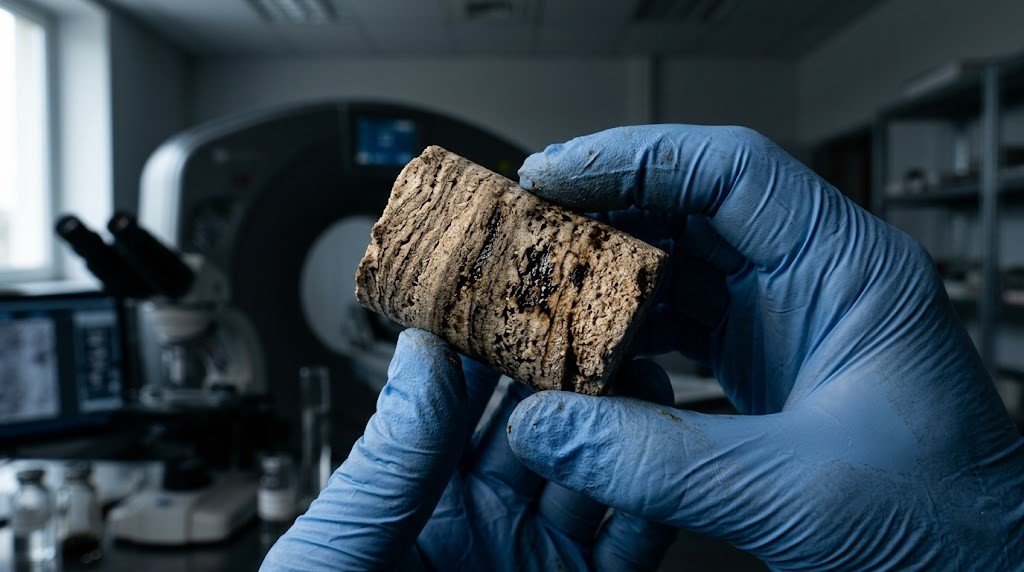
Case Study: Revitalizing the Permian Basin
A testament to our EOR expertise is our large-scale CO2 flood project in the Permian Basin, acquired during the 2020 market dislocation. The field had been in decline for 15 years, with primary recovery having extracted only 35% of OOIP.
The Challenge: The reservoir was heterogeneous, with complex fault blocks that made traditional water flooding ineffective. Previous operators lacked the technology to map the flow paths accurately, leading to poor sweep efficiency and early water breakthrough.
The Solution: OilNational Group deployed a comprehensive EOR strategy:
- Advanced Seismic Imaging: We conducted high-resolution 4D seismic surveys to map remaining oil saturation and identify bypassed zones.
- CO2 Injection Network: We constructed a dedicated CO2 pipeline connecting the field to a nearby natural source, injecting millions of cubic feet daily.
- AI Optimization: Our proprietary AI models dynamically adjusted injection rates well-by-well to maximize contact with remaining oil.
The Outcome: Within three years, production increased by 150%, reversing the decline curve. The project’s recovery factor is now projected to reach 55%, adding 20 years of productive life. Furthermore, the sequestration of CO2 generates significant tax credits under US law, enhancing the project’s economics. This turnaround demonstrates how technology can transform a dying asset into a cash-flow powerhouse.
Environmental Considerations and Sustainability
EOR is increasingly viewed through the lens of sustainability. While it extends the life of fossil fuel assets, it also offers a pathway for carbon management.
Carbon Sequestration Synergy: CO2-EOR is uniquely positioned as a climate solution. The CO2 injected remains largely trapped in the reservoir, effectively storing it permanently. OilNational Group actively quantifies these sequestration volumes, verifying them for carbon credit markets. This creates a circular economy where industrial emissions are utilized to produce energy while reducing atmospheric carbon.
Water Management: Chemical and thermal EOR can be water-intensive. We employ advanced water recycling technologies, treating and reusing produced water for injection. This minimizes freshwater consumption and reduces disposal risks, aligning with our commitment to responsible energy asset management.
Energy Efficiency: We are integrating renewable energy sources (solar, wind) to power steam generators and injection pumps, reducing the carbon footprint of our EOR operations. This hybrid approach ensures that our enhanced recovery methods are compatible with a lower-carbon future.
Future Outlook: Next-Generation EOR
The future of EOR lies in even more precise and environmentally friendly technologies.
Nanotechnology: Researchers are developing nanoparticles that can alter rock wettability or reduce oil viscosity at the molecular level. These “smart particles” can navigate tiny pore throats unreachable by conventional chemicals, potentially unlocking vast amounts of residual oil. OilNational Group is investing in pilot projects to test these breakthrough materials.
Microbial EOR: This emerging technique involves injecting specific bacteria into the reservoir to produce biosurfactants or gases in situ. It is a low-cost, low-energy method that could be transformative for marginal fields.
Electrical Heating: For heavy oil reservoirs where steam is impractical, electrical heating methods (like electro-thermal dynamic stripping) offer a cleaner alternative to combustion-based steam generation.
Conclusion: Unlocking the Hidden Potential
Enhanced Oil Recovery is not just a technical discipline; it is a strategic imperative for maximizing value in a resource-constrained world. By applying advanced technologies to mature assets, OilNational Group turns depletion into renewal, extracting billions of barrels that would otherwise remain locked underground.
Our $60 billion portfolio benefits immensely from these innovations, delivering superior yields and extended asset lives that outperform industry averages. For institutional investors, EOR represents a low-risk, high-reward avenue for participation in the energy sector. It leverages existing infrastructure, minimizes environmental impact through carbon sequestration, and ensures energy security by maximizing domestic resources.
As we look to the future, the potential for EOR is limitless. With continued advancements in AI, nanotechnology, and sustainable practices, we will unlock even greater value from the world’s oil fields. OilNational Group remains at the forefront of this revolution, proving that with the right technology and expertise, the best days of a mature field can still lie ahead. The hidden potential is there, waiting to be recovered.