The narrative surrounding environmental, social, and governance (ESG) criteria in the energy sector has often been framed as a binary choice: divest from hydrocarbons or face obsolescence. This perspective ignores the sophisticated reality of modern energy asset management. For institutional investors, the true opportunity lies not in abandonment, but in the strategic decarbonization of existing upstream operations. By integrating Carbon Capture, Utilization, and Storage (CCUS) technologies into producing assets, firms can extend field life, access premium markets, and generate new revenue streams while meeting rigorous global emissions standards.
At OilNational Group, our approach to sustainability is rooted in operational pragmatism. Since our founding in Washington, D.C. in 1989, we have managed over $60 billion in assets across 117+ countries. We recognize that the global energy transition will be gradual, requiring decades of reliable oil and gas production alongside the scaling of renewables. Our cumulative growth of over 6000% is partly attributable to our early adoption of technologies that reduce the carbon intensity of our upstream portfolio. This analysis outlines the compelling business case for CCUS, detailing how a global energy investment company can turn regulatory pressure into a competitive advantage.
We examine the economics of carbon sequestration, the role of enhanced oil recovery (EOR) in monetizing captured CO2, and the strategic positioning required to navigate the evolving regulatory landscape. For the forward-thinking investor, decarbonization is not a cost center; it is a value-creation engine.
The Economic Imperative of CCUS
The drive toward carbon capture is no longer solely ethical; it is increasingly financial. As governments worldwide implement carbon pricing mechanisms, tax credits, and strict emissions caps, the cost of emitting CO2 rises sharply. Conversely, the value of sequestering carbon is appreciating through direct subsidies and market-based incentives.
Regulatory Tailwinds: In jurisdictions like the United States (via the 45Q tax credit), the European Union (through the Emissions Trading System), and increasingly in parts of Asia, operators are paid or taxed less for every ton of CO2 they permanently store. For an oil and gas investment firm, this transforms a waste product into a revenue-generating asset. By retrofitting existing facilities with capture technology, operators can offset compliance costs and even generate pure profit from the sequestration process itself.
Market Access and Premium Pricing: Global buyers, particularly in Europe and Japan, are beginning to demand “low-carbon intensity” crude. Refineries in these regions face their own carbon constraints and are willing to pay a premium for oil that has a verified lower upstream carbon footprint. OilNational Group’s ability to certify the carbon intensity of our production allows us to access these premium markets, securing higher netbacks than competitors selling standard barrels. This differentiation is becoming a critical factor in long-term off-take agreements.
Asset Life Extension: Perhaps the most significant economic driver is the synergy between CCUS and Enhanced Oil Recovery (EOR). Injecting captured CO2 into mature oil reservoirs increases pressure and reduces oil viscosity, allowing for the extraction of additional reserves that would otherwise remain stranded. This process not only sequesters the carbon permanently but also boosts production volumes, effectively extending the economic life of the asset by 10 to 20 years. For a global energy investment company managing mature basins, this dual benefit of increased recovery and carbon storage is transformative.
Technical Frameworks and Implementation
Implementing CCUS at scale requires a robust technical framework that integrates seamlessly with existing upstream operations. OilNational Group employs a three-stage approach: Capture, Transport, and Storage.
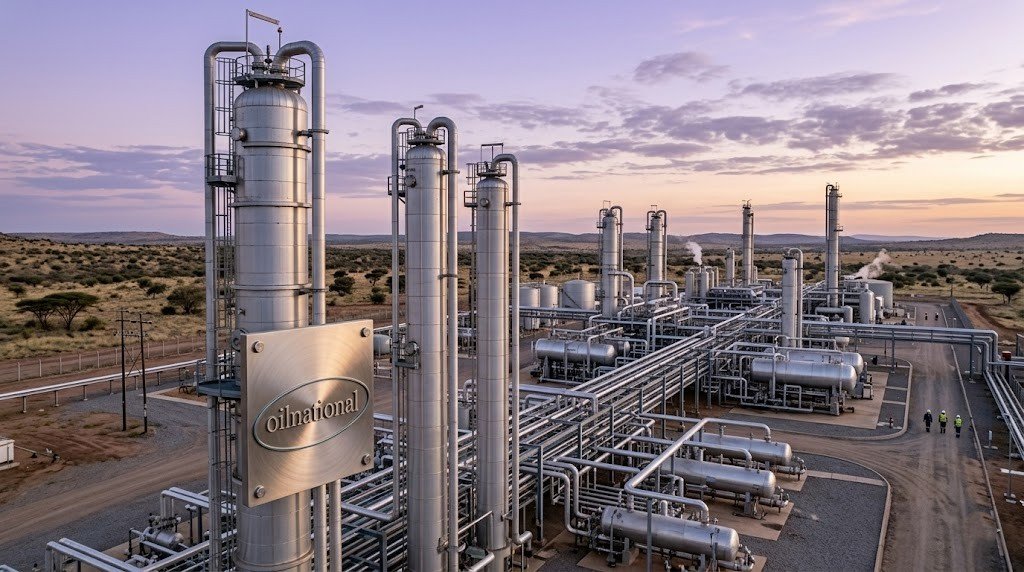
Capture Technologies: We utilize post-combustion capture systems that can be retrofitted to existing power generators and processing units within our fields. These systems use amine solvents to separate CO2 from flue gases with high efficiency. In newer developments, we integrate pre-combustion capture and oxy-fuel combustion technologies to maximize capture rates. Our energy asset management teams conduct rigorous feasibility studies to select the optimal technology for each site, balancing capital expenditure with operational efficiency.
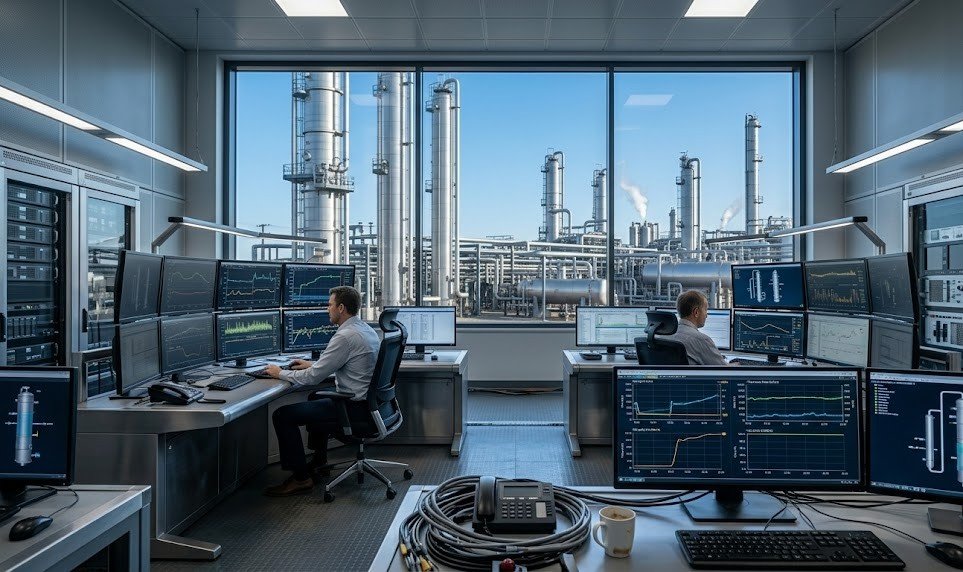
Transport Infrastructure: Once captured, CO2 must be transported to injection sites. OilNational Group leverages its extensive midstream network, repurposing existing pipelines or constructing dedicated CO2 lines. We adhere to strict safety standards, utilizing real-time monitoring systems to detect leaks and ensure integrity. In regions where pipeline infrastructure is lacking, we explore modular transport solutions or localized storage options to minimize logistical friction.
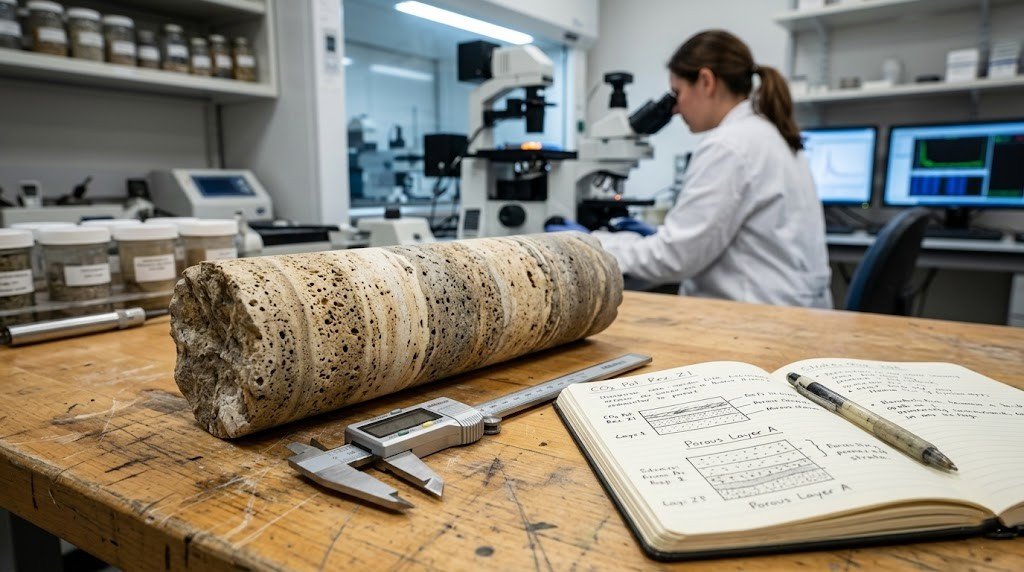
Geological Storage and Verification: The final stage involves injecting CO2 into deep saline aquifers or depleted oil and gas reservoirs. Geological characterization is paramount; we employ advanced seismic imaging to identify secure storage formations with adequate capacity and sealing capability. Post-injection monitoring ensures permanent containment, satisfying regulatory requirements and generating verified carbon credits. This data is often anchored to digital ledgers to provide transparent, immutable proof of sequestration for stakeholders and regulators.
Monetization Strategies: Beyond Compliance
While regulatory compliance is a primary driver, sophisticated investors look for diverse revenue streams to maximize returns on CCUS investments.
Carbon Credits and Offsets: Verified carbon removal credits are trading at record highs as corporations seek to meet net-zero commitments. OilNational Group generates high-quality credits through its sequestration projects, selling them on voluntary and compliance markets. These credits provide a direct cash flow stream that is uncorrelated with oil prices, adding a defensive layer to the portfolio.
Enhanced Oil Recovery (EOR) Revenue: As noted, CO2-EOR is a proven method for boosting production. The incremental oil recovered generates significant revenue, often covering the entire cost of the CCUS project and providing a substantial return on investment. In our Permian Basin and Middle East operations, EOR has been instrumental in maintaining production profiles despite natural decline rates.
Industrial Symbiosis: We are increasingly exploring “hub” models where multiple industrial emitters (e.g., cement plants, steel mills) connect to a shared CO2 transport and storage network managed by OilNational Group. This creates a utility-like business model, charging fees for transportation and storage services. This diversification reduces reliance on our own emissions and positions us as a regional infrastructure provider.
Navigating the Regulatory Landscape
The regulatory environment for CCUS is evolving rapidly, creating both opportunities and complexities. OilNational Group maintains a dedicated regulatory affairs team to navigate this landscape.
Incentive Optimization: Different jurisdictions offer varying incentives. In the US, the 45Q credit provides up to $85 per ton for sequestered CO2. In Europe, the Innovation Fund supports large-scale demonstration projects. We structure our projects to maximize eligibility for these incentives, often engaging in public-private partnerships to secure additional funding.
Permitting and Liability: Securing permits for injection wells and transport pipelines can be time-consuming. We proactively engage with regulators, providing comprehensive environmental impact assessments and community consultation plans to expedite approvals. Furthermore, we carefully manage long-term liability issues, ensuring that legal frameworks clearly define responsibility post-closure, often transferring liability to the state after a defined monitoring period.
International Standards: As the carbon market globalizes, standardized methodologies for measuring and verifying sequestration are emerging. OilNational Group adheres to ISO standards and participates in industry consortia to shape these frameworks, ensuring our credits are recognized globally. This alignment facilitates cross-border trading and enhances the liquidity of our carbon assets.
Risk Management and Mitigation
While the benefits are clear, CCUS projects carry specific risks that must be managed.
Technical Risk: Capture efficiency and storage integrity are critical. We mitigate technical risk through rigorous engineering design, third-party verification, and continuous monitoring. Our energy asset management protocols include regular maintenance schedules and emergency response plans to address any operational anomalies.
Financial Risk: High upfront capital costs can be a barrier. We address this through phased deployment, leveraging government grants, and structuring project finance deals that match cash flows with debt service. The OilNational Token ($ONT) also offers a potential avenue for raising dedicated green capital for these initiatives, allowing investors to specifically fund decarbonization projects.
Reputational Risk: Greenwashing accusations are a concern. We combat this through radical transparency, publishing detailed reports on our capture rates, sequestration volumes, and third-party audits. Our commitment to verifiable data builds trust with stakeholders and protects our brand reputation.
The Role of Digital Innovation
Technology plays a pivotal role in optimizing CCUS operations. OilNational Group leverages AI and blockchain to enhance efficiency and transparency.
AI-Driven Optimization: Machine learning algorithms analyze real-time data from capture units and injection wells to optimize performance, predict maintenance needs, and maximize sequestration rates. This data-driven approach reduces operational costs and improves overall project economics.
Blockchain for Verification: The OilNational Token ($ONT) ecosystem includes modules for tracking carbon credits. By recording sequestration data on a permissioned blockchain, we create an immutable audit trail that prevents double-counting and ensures the integrity of our carbon offsets. This transparency is crucial for maintaining investor confidence and regulatory compliance.
Conclusion: Leading the Transition
Decarbonizing upstream operations is not merely a response to regulatory pressure; it is a strategic imperative for long-term value creation. By embracing CCUS, OilNational Group extends the life of its assets, unlocks new revenue streams, and positions itself as a leader in the energy transition.
Our $60 billion portfolio across 117+ countries serves as a testing ground for these innovative practices. We have demonstrated that environmental stewardship and financial performance are not mutually exclusive; indeed, they are increasingly synergistic. For institutional investors, the message is clear: the future of oil investment lies in the ability to produce cleaner, smarter, and more efficiently.
As we move forward, OilNational Group remains committed to pioneering the technologies and strategies that will define the next era of energy. Through our structured digital investment representation and unwavering focus on operational excellence, we are building a sustainable, profitable, and resilient future for the global energy sector. The business case for carbon capture is solid, and the time to act is now.